






How To Dress Your Newborn Baby for Safe Sleep

Bringing your baby home truly transforms everything, especially your bedtime. Your daily routine gently shifts from familiar, predictable activities to caring for feeding schedules, diaper changes, and short naps. Even small choices, like selecting pajamas, can feel a bit more meaningful in these precious moments.
Many new parents pause at the crib, wondering whether their baby feels too warm or too cold. Striking the perfect balance between comfort and safety can feel confusing at first. However, the clothing you choose helps influence that balance. When you dress your newborn baby for safe sleep, each layer plays a meaningful role in protecting your baby while supporting restful sleep.
Safe sleep clothing promotes healthy rest by avoiding loose layers and reducing the risk of overheating. Choosing the right sleepwear also helps your baby feel cozy and settle comfortably through the night.
Here are some helpful tips to make bedtime easier and boost your confidence in selecting the best options.
Why Safe Sleep Clothing Matters
Safe sleep recommendations aim to keep your little one safe from suffocation and overheating. Loose blankets, thick quilts, and bulky layers can be risky, so choosing fitted sleepwear and wearable blankets can keep them warm without hazards in the crib.
Since newborns find it hard to regulate their body temperature in those first few months, using balanced layers and breathable fabrics helps create a cozy, safe sleeping environment.
Many parents add extra layers just to be careful, but too many clothes can trap heat and disturb sleep. By dressing your baby thoughtfully, you help foster a safer, more peaceful bedtime routine.
Start With the Right Room Temperature
Clothing works best when paired with a comfortable nursery temperature. Most pediatric experts recommend keeping the room between 68 and 72 degrees Fahrenheit. This range supports healthy sleep without excess warmth.
We suggest adding a small room thermometer to make it easier to know the temperature, and you can adjust your sleepwear instead of adding more blankets. If you’re comfortable in light sleepwear, your baby probably feels comfortable in similar layered sleepwear, too.
Just a heads-up: heavy pajamas in a warm room can increase the chance of overheating.
Follow the One-Layer Rule
A helpful tip that many parents find comforting is to dress your baby in one more layer than you would wear to sleep, usually starting with a cozy onesie as the base. This helps keep your little one comfortable and makes bedtime easier for everyone.
For example:
- If you sleep in lightweight pajamas, choose footed pajamas for your newborn.
- If you wear long sleeves at night, add a wearable sleep bag over baby’s pajamas.
- If the room runs cooler, pair thicker pajamas with a sleep bag designed for lower temperatures.
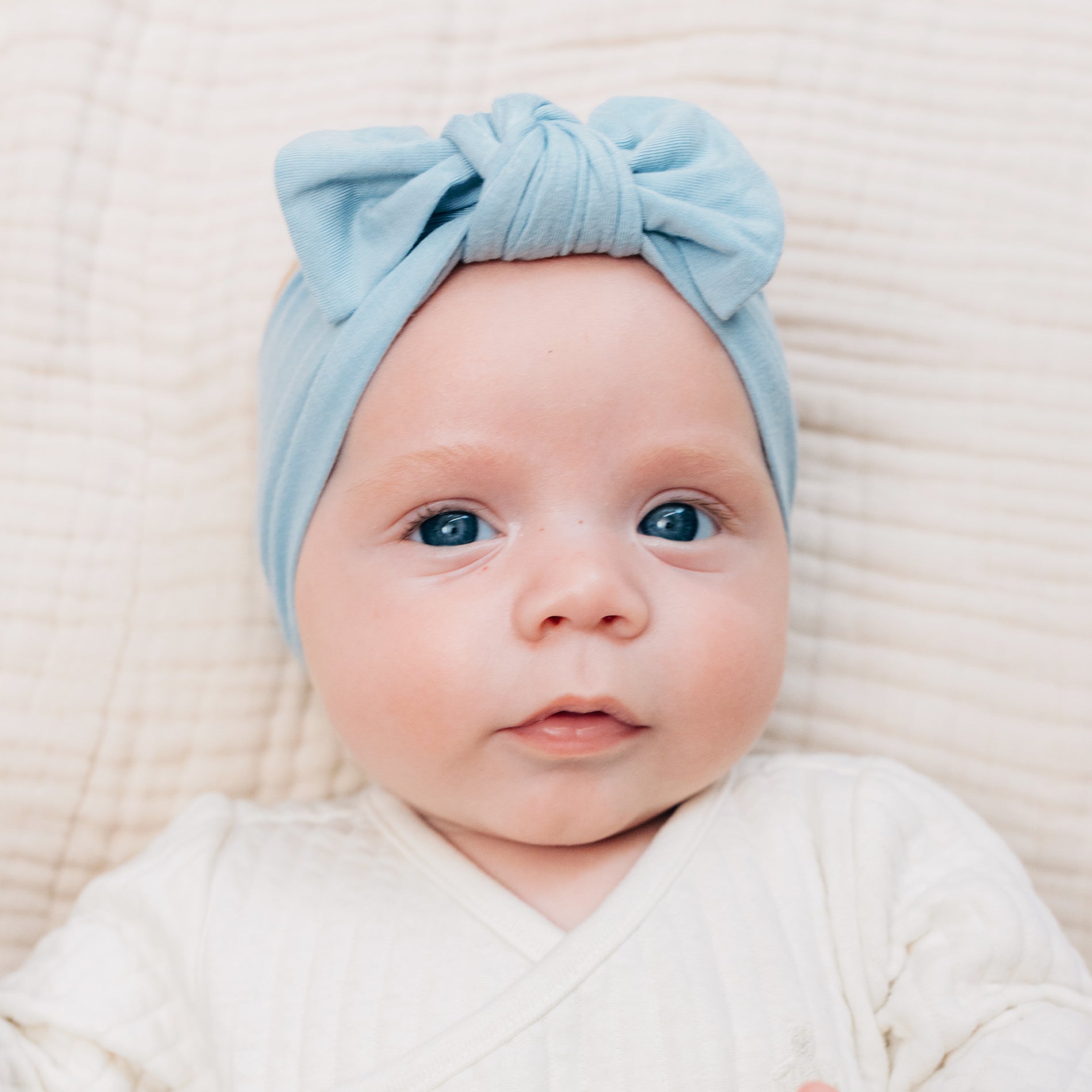
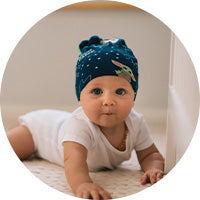
Quick tip: Avoid hats, mittens, or loose accessories during sleep. Those items shift easily, increasing the risk in the crib.

Choose Fitted Sleepwear Over Loose Layers
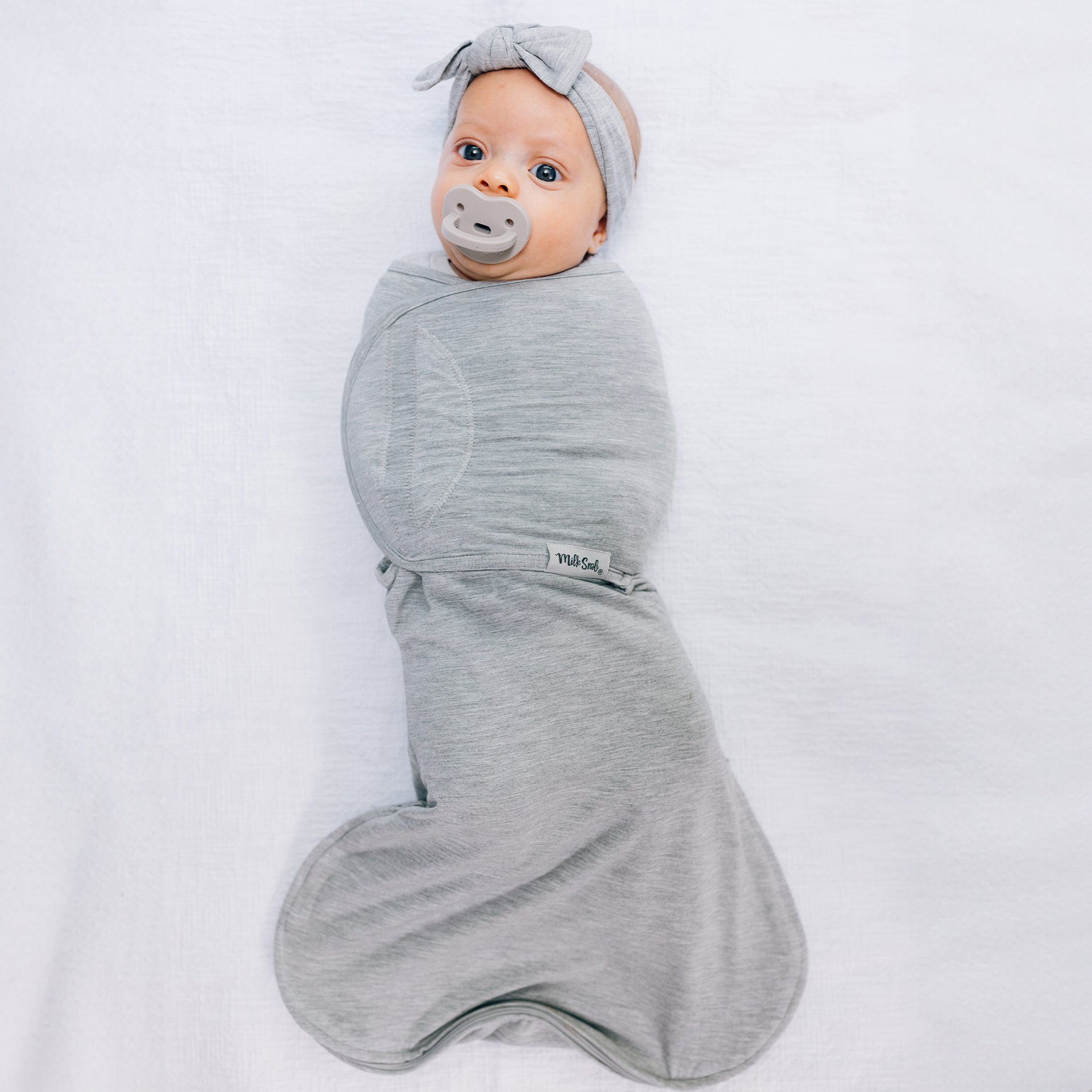
Fitted sleepwear keeps fabric in place, so your baby stays cozy and safe. Snug pajamas and wearable blankets prevent loose fabric from covering their face. While blankets might seem comfy, they can be risky.
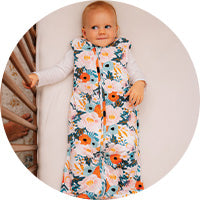
Sleep bags are a cozy and secure choice, helping your baby stay warm and comfortable throughout the night. They stay in place, allowing hips and legs to move freely without frequent adjustments, giving you peace of mind.
Understand TOG Ratings and Fabric Weight
Sleep bags often include a TOG rating, which measures thermal insulation. TOG stands for Thermal Overall Grade. In simple terms, it tells you how warm the fabric feels.
Lower TOG numbers mean lighter fabric and less warmth. Higher TOG ratings indicate thicker fabric and greater warmth. This number helps you match your baby’s sleepwear to the nursery temperature instead of guessing.
For example:
- 0.5 TOG works well in warmer rooms.
- 1.0 TOG fits moderate temperatures.
- 2.5 TOG supports cooler nurseries.
We suggest always picking the TOG based on the room temperature, not outdoor weather. Air conditioning and heating can make the nursery feel warmer or cooler. Matching the TOG to the room helps prevent overheating and keeps your baby comfy.
Also, fabric weight is just as important as the rating. Light, breathable materials let air flow and keep your baby warm without trapping too much heat.
Signs Your Baby Feels Too Warm or Too Cold
Babies might not be able to tell us when they're uncomfortable, but their bodies do give us gentle hints. Try feeling your baby’s chest or back instead of their hands or feet, since extremities are often cooler and don't show the true core temperature.
Signs of overheating include:
- Damp hair
- Sweaty chest
- Flushed cheeks
- Rapid breathing
If you see these signs, take off a layer and check again. Cool hands don't always mean your baby is cold. Focus on keeping your baby's core warm. Small changes in layers can help them sleep better.
Sleep Bags as a Safer Alternative to Blankets
Many parents hesitate to remove blankets from the crib. However, wearable sleep bags provide warmth without loose fabric. They function as a blanket that stays securely in place throughout the night.
Sleep bags support safer sleep because they:
- Eliminate loose bedding
- Maintain consistent warmth
- Reduce nighttime adjustments
- Support healthy hip movement
Milk Snob designs sleep bags with comfort and safety in mind. Thoughtful construction supports airflow while keeping your baby snug. When you want a simple way to dress your newborn baby for safe sleep, a properly fitted sleep bag offers clarity and reassurance.
Pair a sleep bag with well-fitted pajamas. Keep the crib clear of extra layers, bumpers, or soft objects.
Dressing for Seasonal Changes
Nursery temperatures change with the seasons, but indoor climate control is key. In summer, lightweight pajamas and a lighter sleep bag keep babies comfortable. In winter, thicker pajamas and a warmer sleep bag help them stay cozy.
Avoid piling many blankets; instead, vary the fabric weight and keep the crib tidy for safety. Check the room temperature regularly, especially during weather changes, and use heaters carefully to keep things stable for better sleep.
Smart Sleepwear Adjustments To Keep In Mind
New parents genuinely want to keep their babies safe, but sometimes small oversights can occur. Raising awareness is a wonderful way to help you avoid preventable sleepwear mistakes, ensuring your little one stays comfortable and secure.
Frequent missteps include:
- Placing loose blankets in the crib
- Dressing the baby in heavy layers in a warm room
- Adding hats during sleep
- Ignoring room temperature changes
- Choosing oversized sleepwear
Each of these decisions affects comfort or safety. Fitted sleepwear, breathable materials, and appropriate layering create a safer sleep setup.

Safe Sleep Starts With Smart Clothing Choices
Safe sleep begins with simple, informed decisions. Thoughtful layering, appropriate room temperature, and wearable sleep bags create a supportive sleep environment. Fitted pajamas and properly rated sleep bags provide warmth without cluttering the crib.
When searching for infant sleep products, focus on breathable construction, a secure fit, and a weight that matches your nursery's temperature. Milk Snob offers sleep solutions designed to support safe rest while maintaining comfort and style. Explore our collection of sleep bags and give your newborn a safer, more comfortable start at bedtime.
 Back to Blogs


