






Signs Your Baby Is Getting Too Hot or Cold While Sleeping

Every parent has stood beside the crib and wondered the same thing: Is my baby comfortable? Cool hands may send you toward the pajama drawer, while a warm neck can make you question every layer.
Knowing the signs that your baby is getting too hot or cold while sleeping can ease bedtime second-guessing. You don’t need to wake your baby for a full inspection. A chest or upper-back check can tell you more than fingers and toes.
Babies can’t tell you when their pajamas feel warm or when they need another light layer. These tips can help you spot comfort cues and make small changes without disrupting bedtime.
Check Your Baby’s Chest First
Your baby’s hands and feet may feel cool even when the rest of their body feels comfortable. For a better temperature check, place your hand on the chest or upper back and notice how the skin feels.
Warm and dry usually points to comfort, while damp or unusually hot skin may call for one less layer. If the torso feels cool, add one light layer and check again after a few minutes.
Signs Your Baby May Feel Too Hot
The nursery may feel very different from the weather outside. Heating, sunlight, and limited airflow can quickly warm a room. The Safe to Sleep campaign advises parents to watch for sweating, flushed skin, or a hot chest. These signs may call for a lighter layer.
Your baby may feel too warm if you notice:
- A hot or sweaty chest
- Damp hair near the neck
- Clammy pajamas
- Faster breathing
- Unusual restlessness
Remove one layer when your baby feels hot or sweaty. Wait a few minutes before checking again.
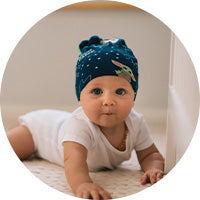
A warm cheek after feeding or cuddling doesn’t always mean your baby feels too hot. Check the chest before changing a layer, and keep hats off during indoor sleep because they can trap heat.
Signs Your Baby May Feel Too Cold
If your baby's chest or upper back feels a bit cool, it might be time to add a light layer to keep them cozy. You might also notice they're fussier or having a harder time settling down. Try putting on one snug-fitting layer when their torso feels chilly.
A bodysuit beneath pajamas or a properly fitted sleep bag can often do the trick to keep your little one warm. Just be careful not to add too many layers at once. Babies can warm up quickly, especially if the heating turns on overnight, moving from cool to sweaty faster than you'd expect.
Call your pediatrician when your baby feels unusually cold and also seems difficult to wake, less interested in feeding, or different from their usual self. Seek prompt medical care for breathing trouble or blue or gray coloring.

Dress for the Nursery
On a chilly evening outside, it’s helpful to remember that cozy pajamas aren’t always necessary once your little one is in bed. The temperature of the nursery can be more important than the weather forecast. Take a moment to see how the room feels before picking sleepwear—things like a sunny window, a nearby vent, a closed door, or a fan can affect how warm or cool the space around the crib is.
Many parents find it best to start with one light layer more than what an adult would wear comfortably in the same room. Use that as a helpful starting point, and don’t forget to check your baby’s chest or upper back to see if they’re comfortably warm.
When shopping for newborn baby products, focus on a few well-fitting sleepwear options that work across changing room temperatures. Familiar choices can make nighttime changes happen more quickly.
Adjust One Layer at a Time
If your baby feels warm, try removing one fitted layer or switching to lighter pajamas to keep them comfy. When their torso feels cool, add a light layer or use a properly sized wearable blanket to keep them cozy.
Remember to wait a few minutes before checking again—frequent outfit changes might wake your little one or make it tricky to find the perfect outfit. Making small adjustments like these can help you discover what sleepwear works best for each season.
For warmer months, lighter pajamas are usually best, while a sleep bag can be a snug option when the nursery gets cooler.
Choose a Sleep Bag Over Loose Blankets
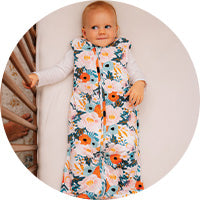
A properly fitted sleep bag stays in place while your baby wiggles and stretches. It can make bedtime simpler because there’s no blanket to kick off and replace.
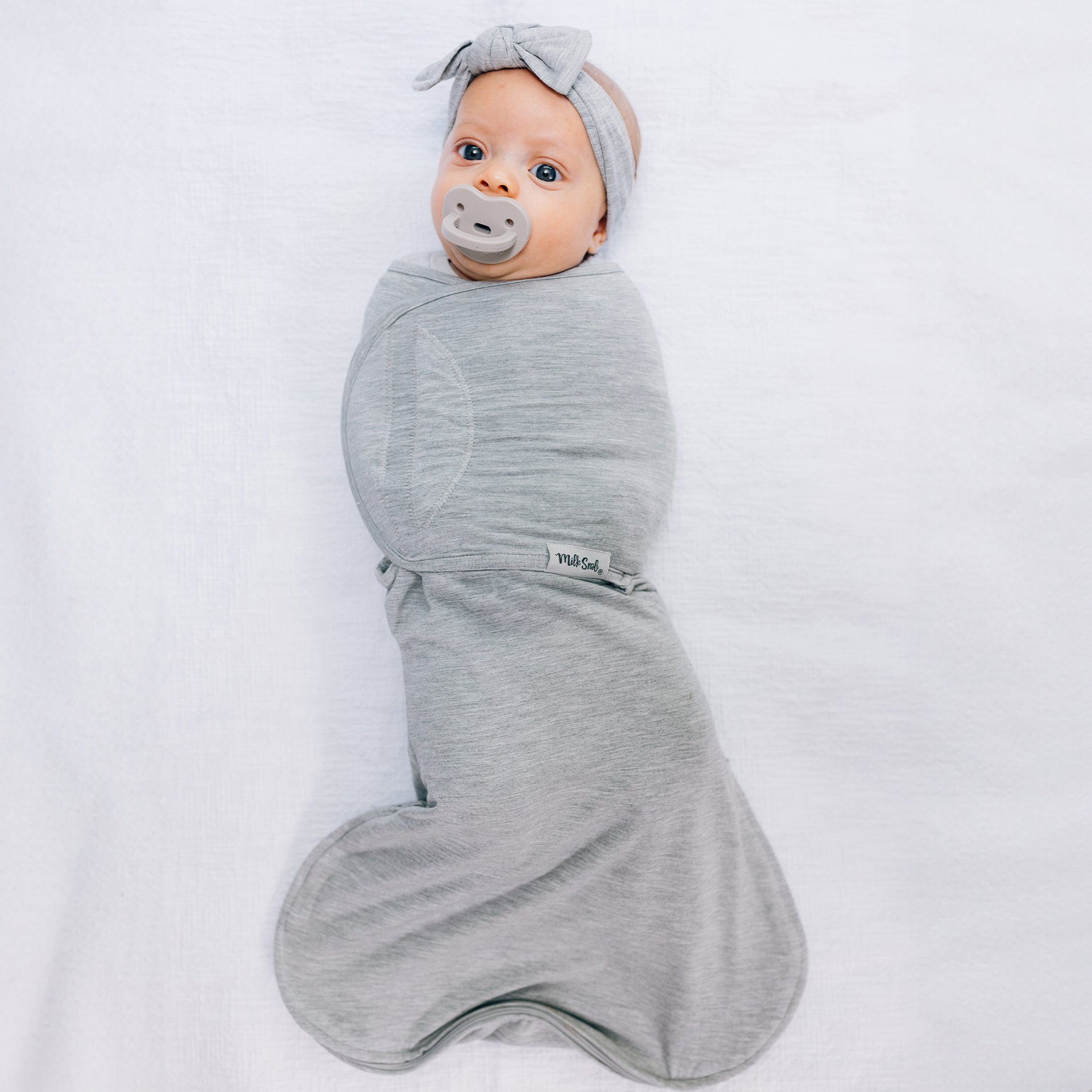
Choose one that matches your baby’s size and the nursery temperature. The neckline should remain below the face, while the lower section should leave room for natural hip and leg movement.
Milk Snob Sleep Bags offer a soft, sleeveless layer with room for leg movement. Their two-way zipper also supports quicker diaper changes during nighttime wake-ups.
Check the Fit Before Bed
- Keep the neckline below the face.
- Check the arm openings for large gaps.
- Leave room for comfortable leg movement.
- Follow the product’s size guide.
Avoid weighted sleep sacks, swaddles, and blankets. The Safe to Sleep guidance advises families to choose nonweighted sleepwear.

Keep the Sleep Space Clear
The AAP’s safe-sleep guidance recommends placing babies on their backs on a firm, flat surface with a fitted sheet. Keep blankets, pillows, toys, and crib bumpers outside the sleep space.
A clear crib may look bare compared with an adult bed, though babies don’t need decorative bedding for comfort. Proper sleepwear can provide warmth without placing loose fabric near your baby’s face.
Keep the crib away from space heaters, strong vents, and direct sunlight.
Know When Warmth May Mean Fever
Most temperature concerns improve with a minor sleepwear adjustment. If your baby still feels unusually warm or seems unwell, check for a fever with a digital thermometer.
A baby younger than 3 months with a temperature of 100.4°F (38°C) or higher needs prompt medical attention. Contact your pediatrician if you notice poor feeding, fewer wet diapers, unusual drowsiness, or a weak cry. Seek emergency medical care if your baby struggles to breathe, won’t wake normally, or develops blue or gray coloring.
Temperature checks can help you tell the difference between ordinary warmth and symptoms that deserve a call to your baby’s medical provider.
Build a Calm Bedtime Check
Before bedtime, check the nursery and choose fitted sleepwear for the room. Feel your baby’s chest or upper back before placing them in the crib.
Check again during a natural waking to see whether the room has warmed or cooled. You don’t need to wake a peaceful baby for repeated checks.
Once you know the signs your baby may be getting too hot or cold while sleeping, chilly fingers and warm cheeks become easier to put into context. A few simple habits can help your baby rest comfortably while giving you greater peace of mind.
If you're looking for sleep essentials that support a cozy, safe bedtime routine, explore Milk Snob's collection of sleep bags designed to keep your little one comfortable through every season.
 Back to Blogs


