






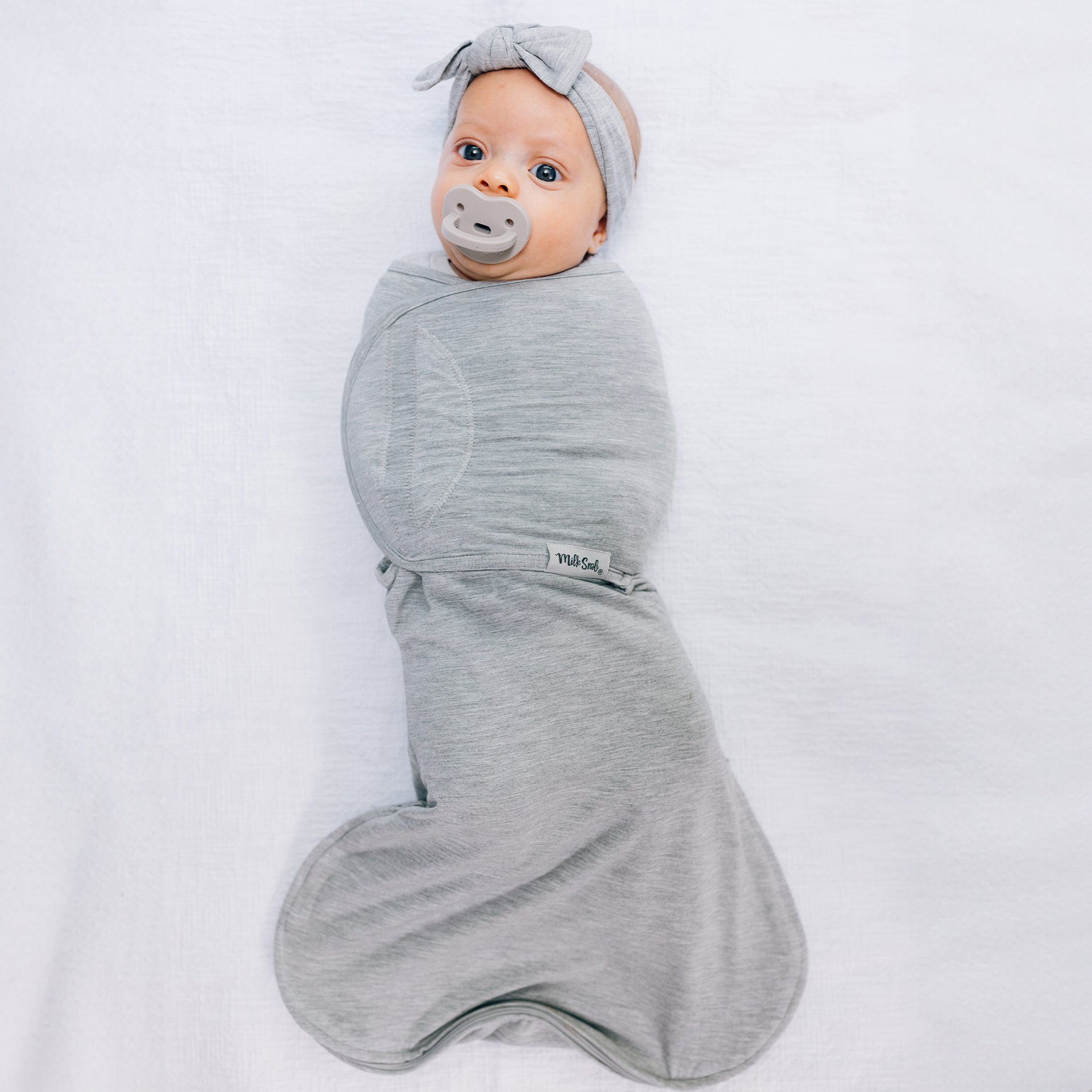




What To Do if Your Baby Hates Being Swaddled

Many parents expect swaddling to calm their newborn, yet some babies resist it right away. If you’re trying to figure out what to do if your baby hates being swaddled, those early sleep struggles can feel confusing and exhausting.
Swaddling gets recommended so frequently that it can feel like something is off when it doesn’t work. In reality, your baby is simply showing a preference. Once you start following those cues, bedtime can feel much more manageable.
Why Swaddling Doesn’t Feel Right for Every Baby
Swaddling creates a snug, wrapped feeling that works well for many newborns. At the same time, some babies prefer more freedom.
Babies move constantly, even during sleep. Arms stretch, legs kick, and little bodies shift as they settle. When a swaddle limits that movement, some babies respond with frustration.
Temperature can also affect comfort. A wrapped baby may feel warmer than expected, which can lead to fussing. Sensitivity to touch can also play a role, especially when a tighter wrap feels overwhelming.
Each reaction gives you insight into what your baby needs.
How to Tell If Your Baby Dislikes the Swaddle
You’ll usually notice a pattern quickly. These signs help you understand what your baby is trying to communicate:
- Crying that starts as soon as the swaddle goes on
- Arms working their way out again and again
- A calm baby who becomes upset once wrapped
- Trouble settling, even with feeding or rocking
- A tense body instead of a relaxed one
These responses point to discomfort with restriction, not a bigger issue.
Safe Sleep Still Guides Every Decision
Even without swaddling, safe sleep stays at the center of everything. A firm mattress, a fitted sheet, and a clear crib create a secure space.
Loose blankets don’t belong in the crib. They can shift during sleep, which affects both comfort and safety.
That leaves many parents wondering how to keep their baby warm without adding layers that move around. A wearable option can help fill that gap while keeping the sleep space simple.

Small Changes That Might Help
Before moving away from swaddling, you might try a few gentle adjustments. Some babies respond well to a looser wrap that allows a bit more movement.
Arms-up swaddling can also feel more natural. Many babies like having their hands near their faces as they settle.
These small changes sometimes ease resistance. If your baby still resists, it’s okay to move on.
When It Makes Sense to Skip Swaddling
Some babies never settle into swaddling, and that’s okay. You don’t need to keep trying if each attempt leads to more frustration.
Your baby may rest better with the freedom to move. That preference can support longer stretches of sleep and a calmer bedtime.
It may be time to move on from swaddling if you notice:
- Ongoing fussiness every time you try to swaddle
- Arms consistently breaking free within minutes
- A calmer response when your baby has more movement
- Increased resistance during your bedtime routine
- Early signs of rolling or stronger body movement
Once a baby shows signs of rolling, swaddling no longer fits safely into sleep routines.
A Different Way to Keep Your Baby Comfortable
When swaddling isn’t an option, many parents explore other comforting ways to keep their baby warm without loose blankets. That's where cozy newborn sleep products can make a comforting difference.
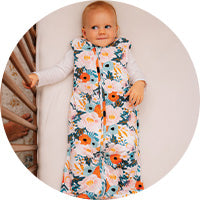
Sleep bags provide a cozy, wearable layer that gently stays in place all night long. They keep your baby nicely covered while allowing natural movement, helping many parents make bedtime feel more relaxed and enjoyable.
Why Consistency Matters More Than Method
Swaddling gets a lot of attention, yet consistency shapes sleep habits over time. Babies respond to repeated patterns, even when small.
A steady routine helps your baby understand what comes next. That sense of predictability can ease the transition into sleep, even without a swaddle.
Keeping the same general flow each night builds comfort. Over time, your baby begins to relax more quickly because the steps feel familiar.
Building a Routine That Feels Calm
A consistent routine helps your baby anticipate what will happen next. Even small, simple actions can provide comfort. Dim the lights, keep the environment quiet, and follow the same sequence each evening.
Activities like feeding, changing, and dressing your baby in sleepwear can serve as familiar cues. Keeping your pace calm and unhurried also helps your baby settle more easily, since they begin to associate that slower rhythm with rest.
As those moments repeat night after night, your baby starts to recognize the pattern without needing much prompting. The predictability creates a sense of security, which can make it easier for them to relax their body and drift off to sleep with less resistance.
Dressing Your Baby for Better Sleep
Comfort plays a big role in how easily your baby can settle down for sleep. Layers of clothing should feel light and breathable, avoiding any heavy or restrictive fabrics that could cause discomfort.
Using a sleep bag in combination with simple, soft pajamas can help maintain a consistent, gentle warmth throughout the night, eliminating the need for frequent adjustments or changes.
To assess your baby’s comfort, check their chest or back; warm, dry skin usually indicates they are neither too hot nor too cold, suggesting a good thermal balance. Keeping the room at an appropriate temperature can further enhance your baby's comfort and sleep quality.

Letting Your Baby Move Naturally
Babies don’t stay still during sleep. Movement helps them get comfortable and stay that way. Stretching and kicking are part of how babies settle themselves. When a baby resists swaddling, allowing that movement can lead to a more peaceful night.
Sleep bags support that natural motion while still keeping your baby covered.
Feeling More Confident in Your Choices
It’s easy to question your approach when something doesn’t work the way you expected. Swaddling gets presented as a standard step, yet it doesn’t fit every baby.
Your baby’s cues give you direction. When you follow those signals, you create a routine that feels more natural for both of you.
Finding a Sleep Routine That Works for Your Baby
If you’re still wondering what to do if your baby hates being swaddled, the answer usually comes back to flexibility. Some babies settle best with more freedom, and that preference deserves attention.
A simple sleep setup, a steady routine, and a comfortable wearable layer can support better rest. When you focus on what works for your baby, bedtime can start to feel calmer and easier to manage.
 Back to Blogs


