



















10 Myths About Breastfeeding and What You Really Need To Know

As soon as breastfeeding comes up, opinions tend to flow. A friend might passionately recommend one method, while a relative advocates for a different one. Before you know it, everyone has their own ideas about how it should feel, how long it should last, and what it means when things don’t go exactly as planned.
Then it’s 2 a.m., and you’re sitting up in bed, searching your phone while your baby fusses in your arms. You wonder if this is normal. You wonder if you’re doing it right. The truth is, many of those loud, confident claims are simply myths about breastfeeding that get passed around without context.
When you're unsure about what’s true, doubt can sneak in fast. Instead of letting those worries spin around in your mind, let’s take a moment to unpack these myths together. That way, you can step forward with more confidence and peace of mind.
Myth #1: Breastfeeding Should Hurt
Many moms accept pain initially because they're told to expect it. Tenderness in the first days is normal as you and your baby learn, but sharp, ongoing pain before each latch indicates that something needs to change.
Usually, adjusting your position or latch depth helps, with a deeper latch often easing discomfort right away. If pain continues, consult a lactation expert or your provider. Getting help is a sign of strength. You deserve a feeding experience that’s sustainable.
Myth #2: Small Breasts Cannot Make Enough Milk
This myth can quietly undermine your confidence even before you start breastfeeding. Remember, breast size is due to fatty tissue, but milk production relies on milk-making glands and hormonal signals.
Your body responds beautifully to stimulation, not size. When your little one nurses often, it naturally boosts your supply. If you ever glance down and wonder if your body is up for the task, keep in mind that biology has prepared you for this journey long before your baby arrived. Your body is more than capable and knows exactly what to do.
Myth #3: You Have to Eat Perfectly
Breastfeeding already demands a lot from you. Don’t add food guilt to the mix. Most babies can handle a variety of foods while breastfeeding, so unless your baby shows sensitivity, eat a balanced, varied diet.
Stay hydrated and keep meals consistent. You burn extra calories and need real fuel, not restrictions. Allow yourself to nourish without overthinking every bite.

Myth #4: Formula-Fed Babies Sleep Longer
Someone might suggest a formula so your baby “stays full longer.” While that sounds tempting when you're tired, sleep depends more on your baby's developmental stage, temperament, and growth spurts than on feeding methods.
Breastmilk digests quickly, supporting growth and frequent feeding in early infancy. If your baby wakes often, it doesn't mean your milk isn’t enough; it means your baby is growing.
Myth #5: You Need to Wash Before Every Feeding
Breastfeeding can be a peaceful and natural experience. Your body naturally produces oils and gentle scents to help guide your baby, so there's no need to wash before every feeding.
Washing too often might dry out your skin and cause irritation, so sticking to a simple daily routine is just right. Keep it easy and manageable because you’re doing an amazing job!
Myth #6: You Have to Stop If You Get Sick
The first time you feel a little unwell, it's natural to worry about passing the illness to your baby. However, in most common illnesses, continuing to breastfeed can actually be beneficial for your little one.
Your body naturally produces antibodies to help fight the infection, and these antibodies are passed directly through your milk, providing your baby with vital protection. Always consult with your healthcare provider regarding specific conditions or medications.
Myth #7: Pump Output Shows Your True Supply
Few things trigger anxiety faster than staring at a pumping bottle that looks half empty.
Pumps do not remove milk as efficiently as babies do. Stress, timing, flange fit, and hydration all affect output. Instead of measuring your supply by ounces alone, look at bigger indicators.
Signs your baby gets enough milk include:
- Steady weight gain
- At least six wet diapers per day after the first week
- Audible swallowing during feeds
- A relaxed, content baby after nursing
One low pumping session does not define your ability.
Myth #8: Going Back to Work Means You Have to Quit
Going back to work can disrupt your usual routine, but it doesn't mean your breastfeeding journey has to stop. Many moms pump during work hours and nurse at home, and with some planning, it can work smoothly. Chatting with your employer about pumping breaks and setting up a schedule that supports your supply can make a big difference.
It’s important to note that your routine might look different from your maternity leave, but that doesn't mean it's impossible to continue your breastfeeding relationship. You're doing great, and with a little adjustment, it can still be a joyful part of your daily life.

Myth #9: You Must Choose All Breastmilk or All Formula
Feeding your baby can be a flexible and reassuring experience. Some families lovingly choose to breastfeed exclusively, while others find joy in combining breastmilk and formula. Many families are happy to transition to what feels right for them. Every family's journey is unique, and even small amounts of breastmilk can make a difference.
Your well-being matters, and you can feel comfortable adjusting your feeding routine as your little one grows. You're doing a wonderful job, and every step you take is shaping your baby's healthy start.
Myth #10: Medication Automatically Ends Breastfeeding
Many moms stop nursing unnecessarily because they worry medication might be unsafe. In reality, doctors approve many common medications for breastfeeding moms. Pain relievers and some antibiotics are often fine to use while nursing.
Always check with your healthcare provider before starting any new medication. Trusting reliable medical advice helps protect both you and your baby. Don’t let fear drive your decision.
What Really Builds Breastfeeding Success
When you strip away the noise, a few fundamentals matter most.
Breastfeeding works on supply and demand. The more your baby nurses, the more milk your body produces. In the first few days, your body produces colostrum. That thick, concentrated milk perfectly matches your newborn’s tiny stomach.
Support makes a difference. Early guidance prevents small concerns from becoming overwhelming. When you dispel myths about breastfeeding, you create space for confidence to grow rather than doubt.
Feeding in Real Life
Breastfeeding involves questions, adjustments, and growth, but also fosters connection and resilience. There's no need to master it instantly; support, accurate info, and patience are key as you learn. It occurs in quiet nurseries, waiting rooms, parked cars, family gatherings, and daily errands. Feeling comfortable in these moments helps maintain consistency.
Every mother’s breastfeeding journey is unique, and that’s perfectly okay. What truly matters is that you feel supported, well-informed, and confident in the choices you make for your little one. With the right encouragement and tools, feeding can become a more positive and empowering experience, helping you feel more at ease along the way.
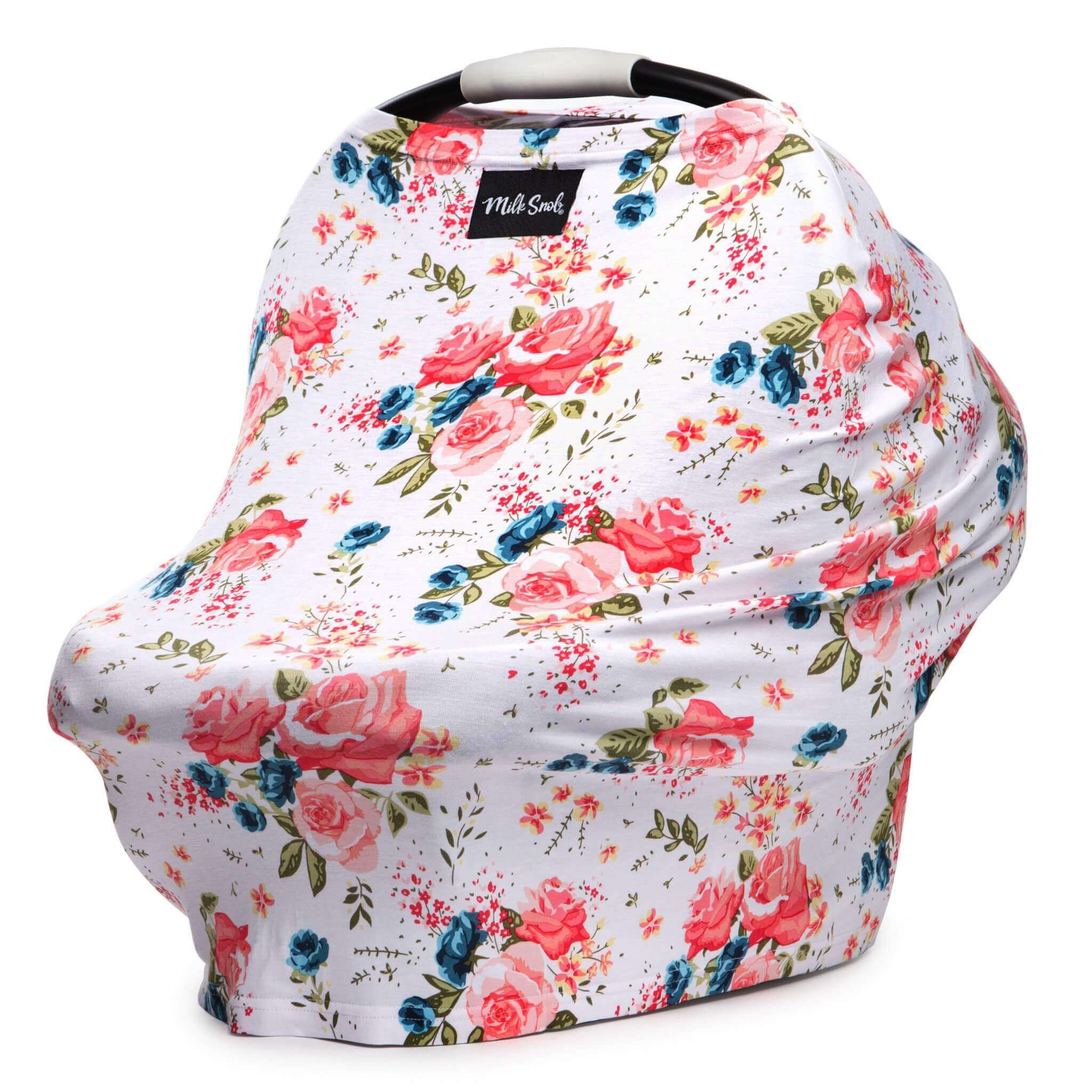
If you want coverage that supports both comfort and confidence wherever you feed, explore our multifunctional nursing cover and shop now to feel prepared for real-life motherhood.
 Back to Blogs


