


















Why National Breastfeeding Awareness Month Is Important

Breastfeeding can bring up a lot of emotions during the newborn stage. One day may feel calm and connected. Another may raise questions about latch, supply, or whether your baby already wants to nurse again. That’s part of why National Breastfeeding Awareness Month is important. It gives families room to talk about breastfeeding with more honesty and care.
Parents deserve clear information and supportive encouragement that helps them feel confident, not judged. August is National Breastfeeding Month in the U.S., a special time to promote breastfeeding education and foster a stronger support network for families.
For new and expecting moms, this support can truly make early feeding a more comforting and less lonely experience.
What National Breastfeeding Awareness Month Means
National Breastfeeding Awareness Month is a wonderful time to celebrate the many benefits of breastfeeding, all while honoring the real experiences of parents. Some babies latch on easily, while others need a little more patience. Some parents prefer to nurse directly, while others find pumping or mixed feeding works best for them.
It’s also a gentle reminder that breastfeeding isn’t something a parent does alone—there’s often a team of support around them, including lactation consultants, pediatricians, partners, or trusted family members.
That kind of encouragement can make a world of difference in the early weeks, helping parents feel more confident and supported as they navigate this special journey.
Why Breastfeeding Education Matters
Breastfeeding may feel natural for some parents, but many families need guidance. New moms often have questions about latch, milk transfer, feeding cues, and pumping.
Good education can help parents understand what’s common and when they should ask for help. It can also reduce the pressure many moms feel when feeding doesn’t go as expected.
Parents deserve information without guilt. They need facts that feel useful, not advice that adds stress. Some moms face supply concerns, while others deal with pain, medication questions, or babies who need extra feeding support. Awareness month helps bring those conversations into the open. It reminds families that asking for help doesn’t mean they’ve failed.
Breastfeeding Can Help Babies

Breast milk gives babies nutrition that changes as they grow. It also contains antibodies that help support their developing immune system. Breastfeeding can help reduce the risk of certain infections and health issues, which is one reason many families value it.
The closeness can matter too. Nursing often creates quiet moments during long newborn days, with skin-to-skin contact and a steady rhythm that can help babies feel comforted.
Still, feeding doesn’t have to look one specific way to support bonding. Some families use pumped milk, formula, or a combination that works better for their baby and routine. What matters most is that babies receive nourishment and care, and parents receive support without judgment.
Breastfeeding Can Support Moms Too
Breastfeeding can support a mom’s health in meaningful ways. It can lower the risk of certain long-term health concerns, including breast cancer and type 2 diabetes. Many moms also value the bonding that can come with nursing. Feeding can create a quiet pause in a day filled with diapers, laundry, and caring for a baby.
Breastfeeding may also help some families spend less on formula, easing pressure during the first months.
The benefits matter, but breastfeeding can still feel hard. It can tire the body and bring up emotions a mom didn’t expect. She may feel proud and worn out on the same day, or love the closeness while still needing time to herself.
Those feelings are normal, and support can make the journey feel less lonely.
Support Makes Feeding Feel Less Lonely
The early weeks with a baby can feel tender. Parents may track diapers, feeding sessions, and weight checks while recovering from birth. Support can make the whole season feel lighter. A lactation consultant can help with latch. A pediatrician can monitor growth.
A partner can bring water during long feeds. A friend can drop off dinner without staying too long.
Small acts of care can help a mom feel seen.
Ways Loved Ones Can Help a Breastfeeding Mom
- Fill her water bottle before feeding sessions
- Bring snacks she can eat with one hand
- Wash pump parts when she needs help
- Keep older siblings busy during feeds
- Offer encouragement without pressure
- Protect quiet time for rest
These small gestures matter. They remind a mom that feeding the baby doesn’t have to rest solely on her shoulders.
Public Breastfeeding Deserves Respect

Many moms feel a bit anxious about breastfeeding when they're away from home. They might worry about privacy, judgment, or just finding a peaceful spot to sit. Babies need to eat no matter where they are—whether on errands, at appointments, or during family visits.
Parents shouldn’t feel they need to apologize for meeting that basic need. Some moms are comfortable nursing openly, while others prefer a quiet corner or using a little extra coverage. Both choices are totally valid and deserve respect.
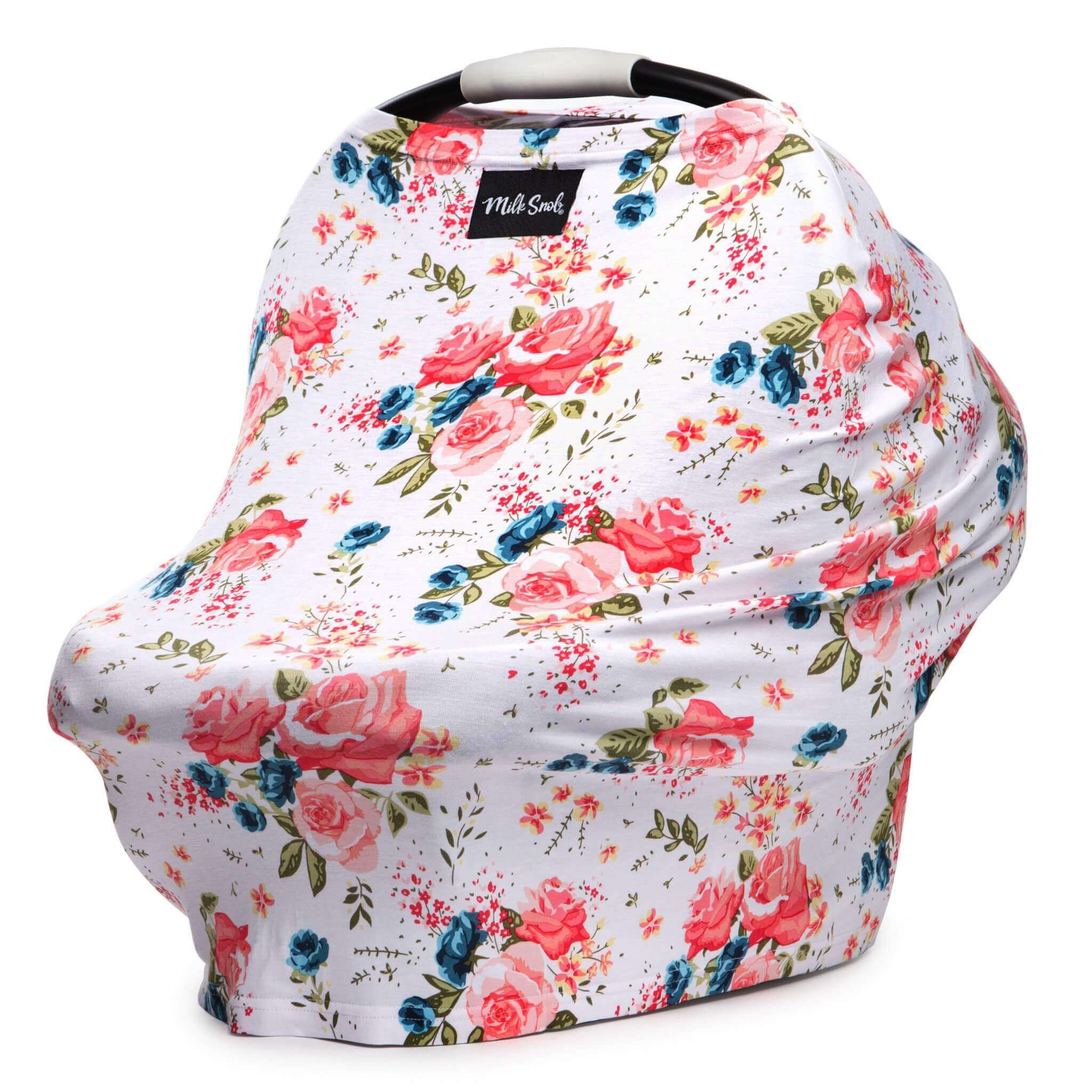
For families who want a little extra privacy during nursing sessions away from home, breastfeeding cover-ups can help moms feel more comfortable while feeding at appointments, family visits, or everyday outings.
Workplaces Can Make Pumping Easier
Returning to work can quickly change a breastfeeding routine. Pumping parents may need privacy, time, and a safe place to store milk.
Workplace support can help parents continue breastfeeding if that matches their goals. A private pumping space and respectful communication can make a big difference.
Managers can treat pumping as a normal part of postpartum life. Coworkers can respect that time without comments or pressure.
When parents feel supported at work, they can return with less stress. They can care for their baby’s feeding needs while working.
Every Feeding Journey Deserves Care
Breastfeeding awareness should always be inclusive and supportive, never making parents feel left out. Every family is unique, with different bodies, babies, and medical needs. Some parents breastfeed for only a few weeks, while others continue for months or even longer.
Some may pump, do combo feeding, or use formula from the beginning. Plans can change due to concerns about supply, latch issues, mental health, or work commitments. Parents must receive understanding and kindness throughout these changes.
That’s another reason why National Breastfeeding Awareness Month is important. The month can support breastfeeding while still honoring each family’s real feeding story.
Better awareness should bring care, not judgment.
How New Moms Can Prepare Before Baby Arrives
Expectant parents can view August as a reminder to prepare for feeding, creating anticipation. They might ask healthcare providers about lactation resources, take a breastfeeding class, and save support numbers.
Discussing feeding goals with a partner fosters teamwork and reassurance. Setting up a cozy feeding station with essentials makes routines easier and less stressful.
Parents don’t need to be perfect; they need gentle, supportive moments that help make the newborn stage feel more manageable and joyful.
A Month That Centers Real Support
National Breastfeeding Awareness Month matters because feeding a baby touches nearly every part of early parenthood. It can shape sleep, recovery, routines, and confidence.
The month helps parents ask questions and find resources. It also reminds communities to offer support that feels kind and useful.
Breastfeeding can offer meaningful benefits for babies and moms, but parents need help along the way. They need facts without fear. They need encouragement without pressure.
Milk Snob supports families with thoughtful baby essentials designed for comfort, style, and everyday use. Browse Milk Snob’s collection of soft, versatile covers to find breastfeeding cover-ups that help make nursing, errands, and on-the-go moments feel a little easier.
 Back to Blogs


