






Complete Guide to Sleep Bags for Babies: Sizes, Safety, and When to Switch
New parents often search for the perfect sleep solution, with terms like sleep bag, sleep sack, sleep sacks for newborns, and infant sleep sacks topping queries. This comprehensive guide covers everything about sleep bags for babies from sizes and safety essentials to knowing when to switch, helping you create secure, cozy nights. Whether you're a first-time parent exploring options or refining your routine, understanding sleep bags ensures better rest for baby and family.
Sleep bags, also called sleep sacks, replace loose blankets in the crib, promoting safe sleep while keeping baby warm and comfortable. We'll break down sizing charts, safety features, top materials, and transition tips, all tailored to Milk Snob's collection of sleep bags. Ready to master baby sleep? Let's dive in.
Understanding Sleep Bags: What They Are and Why They Matter
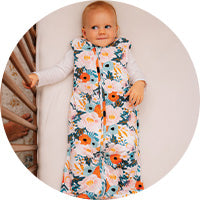
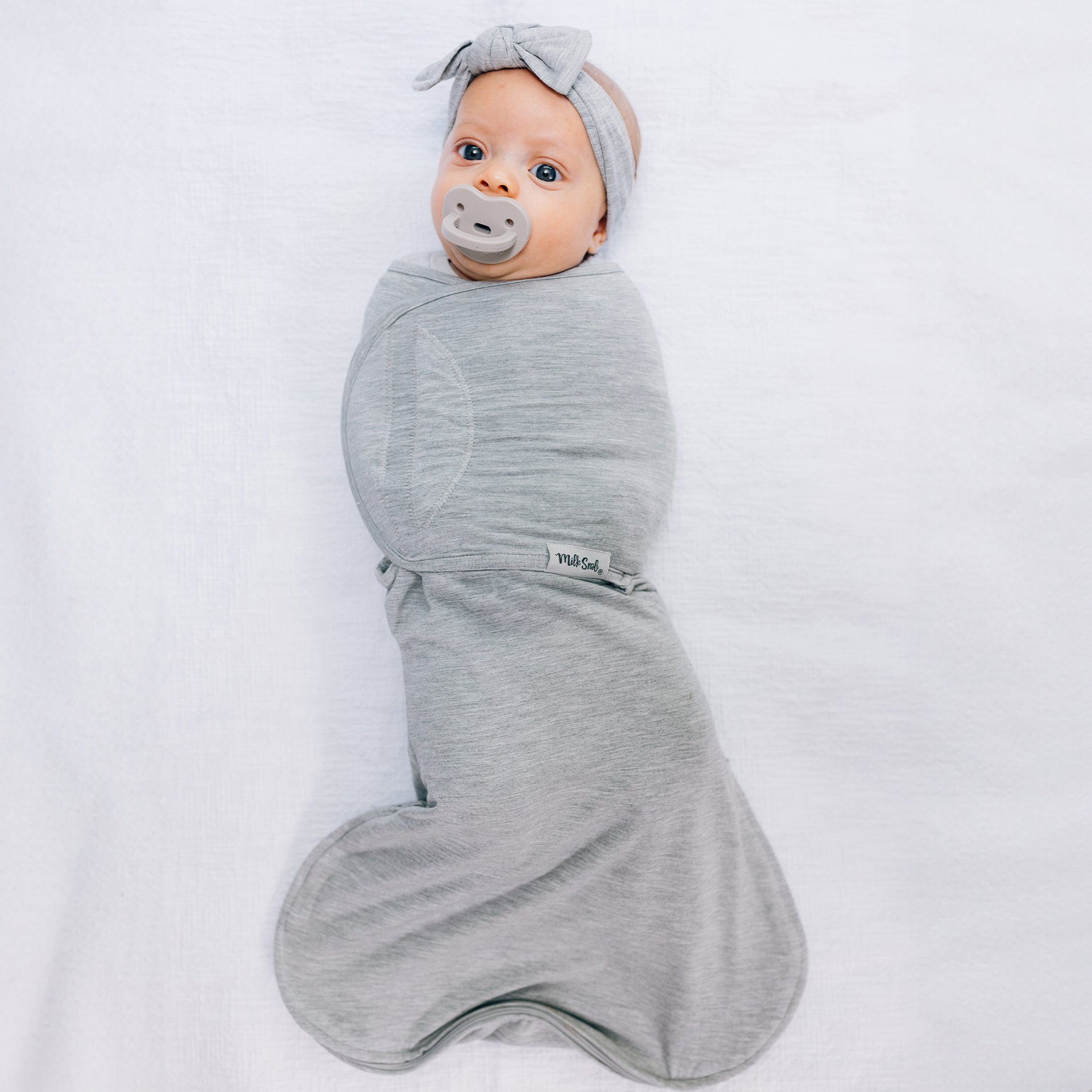
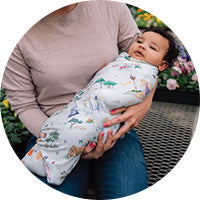
A sleep bag is a wearable blanket designed specifically for babies, featuring armholes, a zipper, and enclosed legs to prevent kicking off covers. Unlike traditional blankets, sleep bags eliminate suffocation risks by staying securely in place.
Parents turn to sleep sacks for newborns because they mimic the womb's snug feel, helping babies self-soothe and sleep longer. With high buzz around sleep sacks, it's clear why this essential ranks high in baby gear needs. Sleep bags support AAP safe sleep guidelines: back sleeping on a firm surface without loose bedding.
Milk Snob sleep bags prioritize softness, breathability, and fit, making them ideal for everyday use. Choosing the right one starts with understanding baby's age, size, and sleep environment.
Baby Sleep Bag Sizing: Finding the Perfect Fit
Refer to Milk Snob's size chart for precise fitting; do not size up to avoid neckline pull-over risks or tripping hazards. Key sizes include:
-
0-6 Months: Fits newborns to infants up to 26-28 inches tall, 11-18 lbs; snug chest, roomy legs for hip movement.
-
6-18 Months: Suited for the Marvel World Sleep Bag, accommodating 26-33 inches, 17-27 lbs; adjustable for growth.
-
12-24 Months (Toddler): Transitional sizing with foot openings for walkers, up to 40 inches.
Safety Features Every Sleep Bag Must Have
Safety is non-negotiable when choosing sleep bags for babies. Look for:
-
Breathable Fabrics: Rayon blends wick moisture; avoid plastic linings. Milk Snob uses premium, OEKO-TEX certified materials.
-
Hip-Healthy Design: Wide bottom (7+ inches across hips) for frog-leg position, per International Hip Dysplasia Institute.
-
Secure Closures: Two-way zippers with guards; no strings or ties.
-
TOG Ratings: Match room temp (16-20°C = 1.0 TOG; cooler = 2.5 TOG).
-
Certifications: CPSIA compliant, flame-resistant if needed.
Sleep sack safety reduces SIDS risk by 30-50% vs. blankets, per studies. Always use unzipped for tummy time and check for rips monthly.
Milk Snob sleep bags meet all standards, ensuring peace of mind.
When and How to Switch Sleep Bags
Switching prevents outgrowing and maintains safety.
Signs It's Time to Switch
-
Shoulders tight or fabric rides up.
-
Baby exceeds weight/height max.
-
Seasonal temp changes (lighter TOG in spring).
Transition Tips
-
Introduce new size during daytime naps.
-
Layer base clothing to ease adjustment.
-
From sleep sack to pajamas: Around 18-24 months, when rolling/climbing starts.
For sleep sacks for newborns to infant, overlap sizes by 1-2 weeks. Milk Snob's sizing guide simplifies this on their sleep bags page.
Building Your Sleep Bag Routine
Incorporate sleep bags into bedtime:
-
Bath, pajamas, sleep bag, feed, crib.
-
Room: 68-72°F, white noise, dark.
-
Day/night distinction: Lighter sack daytime.
Combine with Milk Snob blankets for daytime cuddles (never crib).
FAQs
Q1: What is the best sleep sack for newborns?
A: Lightweight 1.0 TOG with hip room; Milk Snob 0-6 months fits perfectly.
Q2: Are sleep bags safe for every night?
A: Yes, if sized right and used per guidelines, no loose bedding.
Q3: How do I know the right TOG for my baby's room?
A: 16-20°C = 1.0 TOG; test by baby's neck (warm, not sweaty).
Q4: When should I switch from sleep sack to pajamas?
A: 18-24 months or when climbing out; gradual transition.
Sleep bags transform baby rest shop Milk Snob at https://milksnob.com/collections/sleep-bags.
 Back to Blogs


