




















Supporting Moms Throughout Their Breastfeeding Journey

A feeding session can begin with a hungry baby and end with a cold cup of coffee sitting untouched on the table. Some days, nursing settles into a comfortable rhythm. Other days bring cluster feeding, sore shoulders, and a baby who seems ready to eat again five minutes later.
Even a confident mom may need encouragement. She may also need someone to refill her water, take the baby after a feeding, or tell her that a hard afternoon doesn’t mean she’s doing anything wrong.
Support can matter at every stage of a breastfeeding journey, from the early newborn days to later changes in feeding routines. Listening closely and offering help that fits the moment can make a long day feel lighter without placing more pressure on mom.
Ask Before Offering Advice
New parents hear plenty of opinions. Advice may come from relatives, friends, social media, or a stranger who means well but doesn’t know the family’s situation.
When breastfeeding feels uncomfortable or uncertain, another suggestion may add to the noise. Mom may need space to explain what happened before anyone tries to fix it.
Start with a simple question: “Would it help to talk about it?” Her answer can guide what happens next. She may want reassurance after a difficult feeding. Perhaps she wants help finding a lactation professional. She may prefer a quiet moment with no advice at all.
Feeding goals can also change over time. A plan that felt right during pregnancy may shift once the baby arrives. Support means respecting that adjustment without asking mom to defend it.
Turn Kind Words Into Useful Help
“Let me know if you need anything” sounds caring, yet it leaves the next step with someone who already has plenty on her mind. A specific offer feels easier to accept.
Try choosing one task:
- Bring lunch at a set time.
- Wash the pump parts in the sink.
- Take over the next diaper change.
- Pick up groceries on the way over.
Useful help doesn’t need a big announcement. You might notice that her water glass sits empty and refill it. When a pile of clean baby clothes waits on the couch, fold it while you talk.
Visits should support mom rather than create more work. Ask when she’d like company, bring what you need, and leave before she feels responsible for entertaining you.
Create a Comfortable Feeding Space
Breastfeeding often requires a surprising amount of setup. Mom gets settled, places the baby in position, and realizes her phone charger sits across the room.
A comfortable feeding corner can spare her from having to repeat that routine throughout the day. Keep water nearby. Add a soft light for overnight feedings, and place a clean burp cloth within easy reach.
A small basket can hold nursing pads or a favorite snack. It doesn’t need to look polished. It only needs to make the next feeding a little easier.
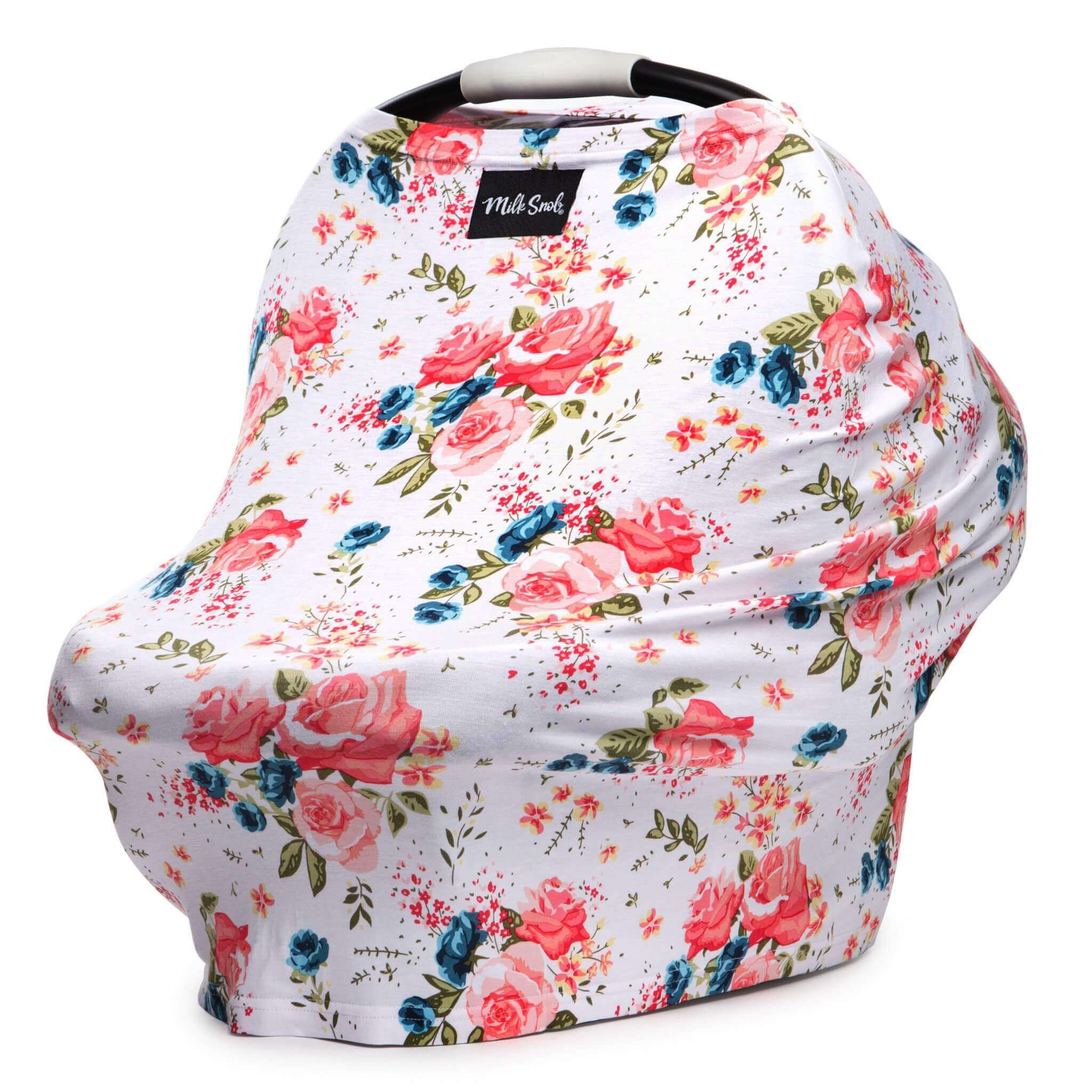
When the family leaves home, mom may want more privacy. Milk Snob’s baby car seat covers can serve as nursing covers, giving her a familiar option during outings. Some mothers enjoy using a cover, while others feel comfortable without one. Her preference should lead the way.

Make Room for Honest Feelings
Breastfeeding can feel tender one day and frustrating the next. During a single feeding, a mom might feel proud of how far she has come, only to wonder why something that once seemed simple now feels difficult.
She needs room to say that out loud. Questions such as “How have feedings felt lately?” invite a more honest answer than “Is breastfeeding going well?”
Listen without comparing her experience to someone else’s. Avoid rushing toward a cheerful response when she shares something hard. Sometimes the most supportive reply is a quiet acknowledgment that the day sounds exhausting.
Encouragement doesn’t need a long speech. “You’re working hard” may give her the reassurance she needs in that moment.
Help Her Find Skilled Support
Loved ones can offer comfort, but some breastfeeding concerns call for professional guidance. Persistent pain deserves attention. Questions about latch, milk transfer, or a baby’s growth should also go to a qualified health professional.
You can help without trying to diagnose the concern yourself. Offer to find the phone number for her provider or sit nearby while she makes the call. During an appointment, another person can hold the diaper bag and listen for details that may feel hard to absorb when mom feels tired.
A pediatrician, obstetric provider, midwife, or lactation consultant can offer guidance based on the needs of both mother and baby. Reaching out for that support shows care, not failure.
Support Pumping Without Making It Awkward
A pumping session involves far more than sitting beside a machine. Parts need to be assembled before the session begins. Afterward, milk requires safe storage, and every piece seems ready for another round of washing.
Partners can take ownership of that cleanup. Instead of waiting for instructions, they can learn where supplies belong and prepare them for the next session.
Friends can support a pumping mom by allowing extra time during an outing. There’s no need to make the break a topic of conversation. Give her privacy, keep plans flexible, and carry on once she returns.
The same respect matters at work. A mother shouldn’t feel embarrassed for using her pumping time or accessing a private lactation space. Calm support from managers and coworkers can shape how manageable her return feels.

Celebrate Her Without Comparing Journeys
Breastfeeding conversations on social media often include milestone photos and personal feeding stories. One mom may feel encouraged by those posts. Another may remember an experience that didn’t unfold as she hoped.
Keep that range of emotions in mind when joining the conversation. Avoid asking how long someone plans to breastfeed. Questions about supply or bottle use can also feel intrusive, especially when a mother hasn’t invited the discussion.
Each family makes feeding decisions within its own circumstances. Health needs may shape the plan, and work can change the daily routine. Sometimes a baby needs something different than the parent expected.
Celebrate the care behind the feeding rather than focusing on a milestone. No feeding method can measure a mother’s devotion.
Keep Showing Up After the Newborn Visits End
Support often comes quickly after birth, with meals and messages filling the days. After a few weeks, attention may fade even if mom continues to face feeding challenges. Check in when her partner returns to work or after a growth spurt keeps the baby nursing through the evening.
When she plans to leave the baby with a caregiver, ask how she feels about the transition. Needs change as babies grow; help that was important early on may look different later.
Patient, thoughtful support can make breastfeeding feel more manageable as a family’s needs change. Whether you're preparing a cozy space at home or helping mom feel more comfortable while feeding on the go, thoughtful support can make each day a little easier.
Milk Snob makes baby and mom essentials that help families with comfort, confidence, and care at every stage. From nursing at home to outings, these essentials support real-life parenting easily.
 Back to Blogs


